
Technology is evolving at an unprecedented pace, transforming the way we live, work, communicate, and do business. From artificial intelligence and cloud computing to cybersecurity and automation, modern innovations are reshaping industries across the globe. Businesses that embrace these technological advancements gain a competitive advantage, improve operational efficiency, and create better experiences for their customers.
In today’s digital-first world, technology is no longer an option, it is a necessity. Organizations of all sizes are investing in digital transformation strategies to remain relevant in an increasingly connected marketplace. Whether it’s automating repetitive tasks, leveraging data analytics, or implementing AI-powered solutions, technology continues to drive growth and innovation.
At Tokma Technologies, we believe that innovation is the key to future success. By helping businesses adopt modern technology solutions, we empower organizations to unlock new opportunities, improve productivity, and achieve sustainable growth.
What is Technological Innovation?
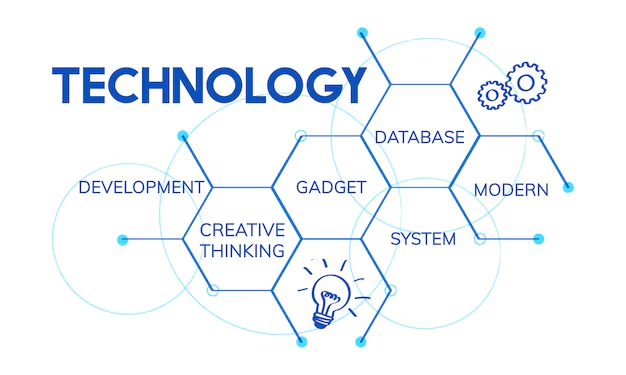
Technological innovation refers to the development and implementation of new technologies, systems, and processes that improve the way people and businesses operate. Innovation can take many forms, including software development, artificial intelligence, cloud computing, automation, cybersecurity advancements, and digital communication tools.
These innovations are designed to solve real-world problems, enhance efficiency, reduce costs, and create new opportunities. Technology has become a driving force behind economic growth and business transformation across virtually every industry.
Key Areas of Technological Innovation
- Artificial Intelligence (AI)
- Cloud Computing
- Internet of Things (IoT)
- Cybersecurity
- Data Analytics
- Machine Learning
- Blockchain Technology
- Automation Solutions
- Web and Mobile Applications
- Digital Marketing Technologies
Why Technology Matters More Than Ever
Technology has become the foundation of modern business operations. Companies that fail to adopt new technologies risk falling behind competitors who are embracing digital transformation.
Increased Efficiency
Automation tools and smart software solutions help businesses reduce manual work, minimize errors, and improve productivity. Employees can focus on strategic tasks while repetitive processes are handled automatically.
Enhanced Customer Experience
Modern customers expect fast, personalized, and seamless experiences. Technology enables businesses to deliver better customer support, personalized recommendations, and convenient digital services.
Improved Decision Making
Data-driven technologies provide valuable insights into customer behavior, market trends, and business performance. These insights help organizations make informed decisions and identify growth opportunities.
Competitive Advantage
Businesses that invest in technology can innovate faster, adapt to market changes, and offer better products and services than their competitors.
Top Technologies Transforming the Future
1. Artificial Intelligence (AI)
Overview
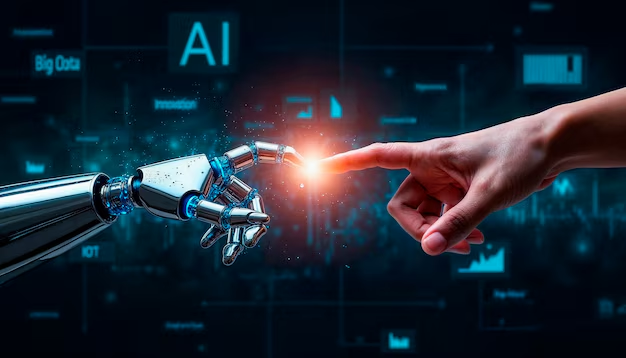
Artificial Intelligence is revolutionizing industries by enabling machines to perform tasks that traditionally required human intelligence. AI can analyze data, automate processes, predict trends, and improve decision-making.
Key Features
- Predictive Analytics
- Intelligent Automation
- Natural Language Processing
- AI Chatbots
- Customer Personalization
- Machine Learning Algorithms
Best For
- Customer Service
- Marketing Automation
- Healthcare
- Finance
- E-commerce
Benefits
- Faster operations
- Improved accuracy
- Reduced costs
- Better customer experiences
Challenges
- Initial implementation costs
- Data privacy concerns
- Need for skilled professionals

2. Cloud Computing
Overview
Cloud computing allows businesses to store, manage, and access data through internet-based platforms rather than traditional on-premise infrastructure.
Key Features
- Remote Access
- Scalable Infrastructure
- Secure Data Storage
- Cost Efficiency
- Collaboration Tools
Best For
- Startups
- Small Businesses
- Enterprise Organizations
- Remote Teams
Benefits
- Lower IT costs
- Improved flexibility
- Better disaster recovery
- Enhanced collaboration

3. Cybersecurity Technologies
Overview
As cyber threats continue to increase, businesses must invest in robust cybersecurity solutions to protect sensitive information and maintain customer trust.
Key Features
- Threat Detection
- Data Encryption
- Multi-Factor Authentication
- Security Monitoring
- Risk Management
Best For
- Financial Institutions
- Healthcare Organizations
- E-commerce Platforms
- Government Agencies
Benefits
- Data protection
- Regulatory compliance
- Reduced risk of breaches
- Improved business continuity
4. Internet of Things (IoT)
Overview
The Internet of Things connects physical devices to the internet, allowing them to collect, share, and analyze data in real time.
Applications
- Smart Homes
- Smart Cities
- Healthcare Monitoring
- Industrial Automation
- Logistics and Supply Chain Management
Benefits
- Real-time insights
- Operational efficiency
- Predictive maintenance
- Enhanced customer experiences
Technology Comparison Table
| Technology | Best For | Key Benefit | Future Potential |
|---|---|---|---|
| Artificial Intelligence | Automation | Improved Efficiency | Very High |
| Cloud Computing | Data Management | Scalability | High |
| Cybersecurity | Data Protection | Security | Very High |
| IoT | Smart Systems | Connectivity | High |
| Data Analytics | Business Intelligence | Better Decisions | Very High |

How Businesses Can Choose the Right Technology
When selecting technology solutions, organizations should consider:
Business Goals
Identify specific objectives and challenges that technology can help address.
Budget
Evaluate implementation costs, maintenance expenses, and expected return on investment.
Scalability
Choose solutions that can grow alongside your business.
Security
Ensure technologies meet modern cybersecurity standards.
User Experience
Select systems that are easy for employees and customers to use.
Real-World Use Cases
Small Businesses
Cloud-based tools and digital marketing platforms help small businesses compete with larger organizations.
Enterprises
AI and automation improve efficiency, reduce costs, and enhance customer experiences.
Healthcare
Technology enables telemedicine, electronic health records, and AI-powered diagnostics.
Education
Online learning platforms and digital collaboration tools transform the educational experience.
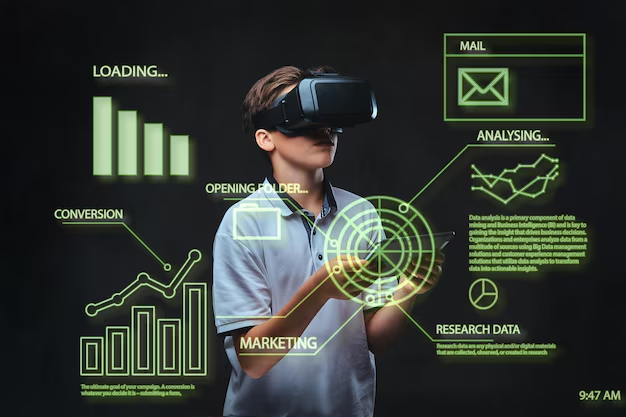
Future Trends in Technology
The future of technology will be driven by:
- Generative AI
- Autonomous Systems
- Quantum Computing
- Advanced Robotics
- Extended Reality (AR/VR)
- Sustainable Technology Solutions
- Smart Cities
- Hyper-Automation
Businesses that embrace these trends today will be better positioned for tomorrow’s opportunities.
Why Choose Tokma Technologies?
At Tokma Technologies, we help businesses navigate the ever-changing digital landscape through innovative technology solutions.
Our expertise includes:
- Website Development
- Software Development
- Digital Marketing
- Search Engine Optimization (SEO)
- UI/UX Design
- Cloud Solutions
- Technology Consulting
- AI Integration Services
Our mission is to empower businesses with technology that drives growth, innovation, and long-term success.
Conclusion
Technology continues to transform every aspect of our lives and businesses. From artificial intelligence and cloud computing to cybersecurity and IoT, innovation is creating opportunities that were unimaginable just a few years ago.
Organizations that embrace digital transformation today will lead the industries of tomorrow. Investing in modern technology is not just about staying competitive, it’s about building a smarter, more efficient, and more innovative future.
At Tokma Technologies, we are committed to helping businesses harness the power of technology and unlock their full potential.


Post a Comment